Installation Advice for Saint Michael Water Heater Installation
Critical Mistakes to Prevent During Your Water Heater Installation: Professional Guidance
When setting up a water heater, a number of critical errors can result in inefficiencies and safety risks. From choosing an incorrectly sized unit to overlooking local regulations and ventilation needs, these missteps can result in serious long-lasting issues. Additionally, improper connections and neglecting energy efficiency ratings can complicate the installation process. Being aware of these typical mistakes is vital for achieving a proper setup. What additional key considerations should be taken into account to ensure a flawless installation?
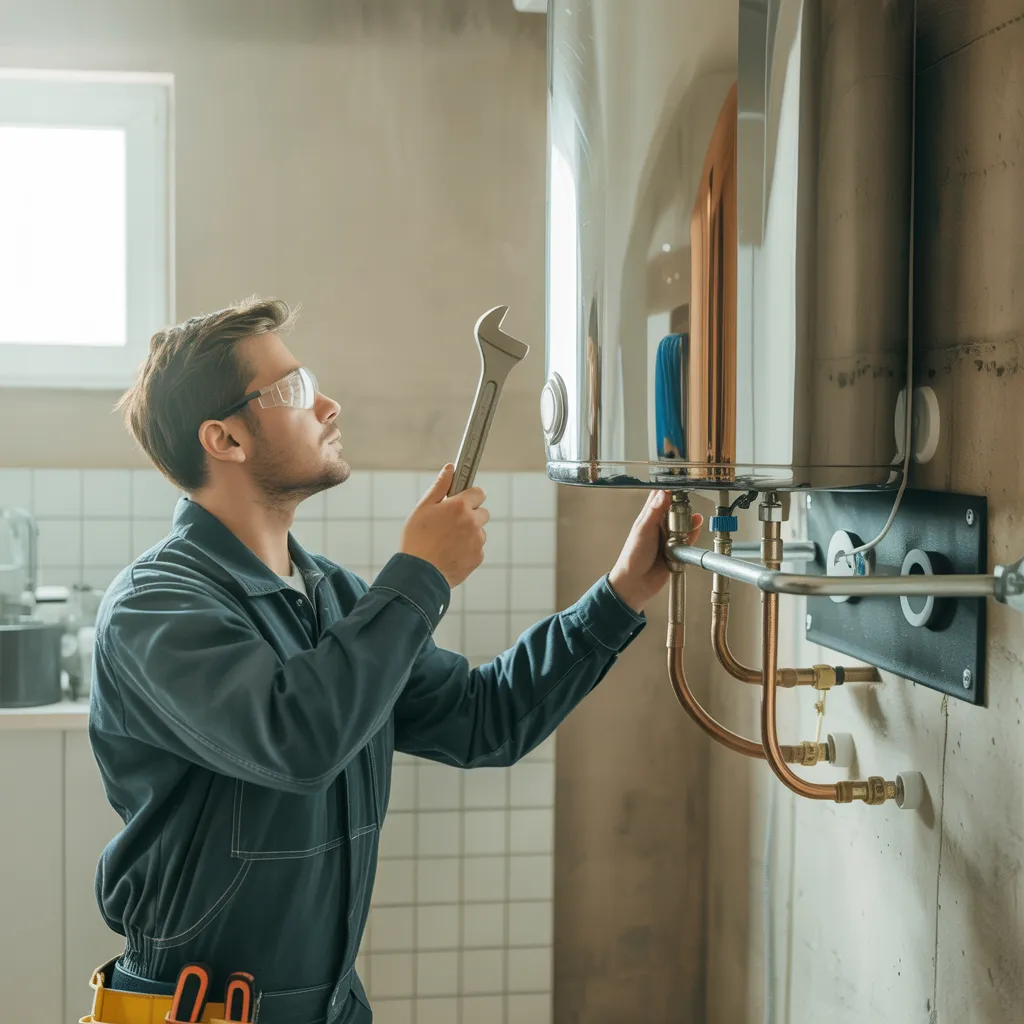
Choosing the Wrong Size Water Heater for Your Installation
How does one determine the correct size for a water heater? Picking the right size is necessary to ensure effective water heating and comfort in a home. The first step includes analyzing the home's maximum hot water usage, which commonly happens during morning and evening hours. This can be estimated by factoring in the amount of bathrooms, kitchen appliances, and laundry facilities.
Next, one should also consider the reheating rate of the heating system, which reflects how quickly it can heat water after running out of hot water. A water heater that is insufficiently sized will leave occupants with insufficient hot water, while an overly large unit can lead to energy waste and increased costs.
Don't Disregard Local Codes
When installing a water heater, being aware of local regulations is vital to maintaining compliance. Neglecting to acquire the proper permits may cause significant fines and project setbacks. Working with experienced professionals can deliver key knowledge about local codes, assisting in avoiding potential complications.
Understand Local Regulations
Grasping regional codes is vital for a smooth water heater installation. Compliance with these regulations ensures safety, efficiency, and legality. Regional regulations often dictate detailed criteria regarding installation methods, materials, and equipment. For instance, certain areas may have guidelines for venting, seismic bracing, or even the type of water heater accepted based on environmental considerations. Not complying with these codes can cause costly fines, delays, or even the need for a full reinstallation. Furthermore, knowing the regulations assists with selecting the correct size and model for the household's requirements, improving energy usage. Property owners should consult local building authorities or check official resources to gain a complete understanding of relevant codes before beginning installation.
Secure the Required Permits
Obtaining the necessary permits is a critical step in the water heater installation process. Many homeowners overlook this aspect, believing it to be unnecessary or overly burdensome. However, local building codes and regulations commonly necessitate permits to safeguard safety and conformity with building requirements. Neglecting to acquire the required permits can lead to financial fines, delays in the project, and potential legal liabilities if the installation does not meet safety guidelines. Moreover, permits frequently require inspections that validate the installation's adherence to local building codes, safeguarding both the homeowner and the property. Consequently, homeowners should research their local regulations and obtain the appropriate permits before proceeding with installation, helping to avoid setbacks and ensuring a trouble-free, regulation-compliant process.
Engage Professionals When Appropriate
Many homeowners underestimate the complexity of water heater installations, often leading them to overlook local codes. These codes, designed to ensure safety and efficiency, change depending on location and can significantly affect installation procedures. Disregarding these regulations may result in costly fines or hazardous situations. Consulting professionals is essential, as they possess the expertise to navigate these regulations effectively. Experienced installers stay updated on evolving codes and can guide homeowners away from unnecessary pitfalls. Additionally, specialists can deliver meaningful recommendations regarding the ideal water heater model for specific needs. Ultimately, enlisting the help of qualified experts not only guarantees compliance with local codes but also strengthens the lifespan and effectiveness of the water heating system.
Common Ventilation Missteps That Affect System Performance
Correct ventilation is critical for optimal water heater performance. Typical problems consist of insufficient vent pipe dimensions and obstructed ventilation pathways, all of which can reduce effectiveness and create hazards. Addressing these issues is necessary to guarantee the system functions efficiently and consistently.
Improper Vent Pipe Sizing
Inadequate vent pipe sizing can greatly undermine a water heater's performance and safety. Correct venting is critical for the efficient expulsion of combustion gases. When the vent pipe is too small, it obstructs airflow, leading to backdrafts that can cause hazardous carbon monoxide accumulation. This not only compromises the unit's efficiency but also presents significant health hazards to residents. Moreover, oversized vent pipes can lead to inadequate draft, resulting in partial combustion and wasted energy. Ensuring the correct size is essential for ideal ventilation and functionality. Homeowners should consult manufacturer specifications and local codes to identify the correct measurements for their individual water heater system, thereby avoiding expensive errors and guaranteeing safe performance.
Blocked Ventilation Channels
Blocked ventilation channels may drastically reduce a water heater's performance and safety, in addition to the problems caused by inadequate vent pipe sizing. If vents become obstructed by debris, insulation, or structural components, the exhaust gases cannot escape properly. This can lead to a buildup of harmful carbon monoxide and reduced performance, forcing the unit to operate harder and use more energy. Furthermore, poor venting can result in overheating, potentially damaging the water heater or creating fire hazards. Routine inspections and upkeep are necessary to ensure that ventilation pathways remain clear. Homeowners should also be cautious about vent positioning, steering clear of obstruction-prone areas. Resolving these typical issues can greatly extend the durability and security of a water heating system.
Connecting Water and Gas Lines Improperly
It is essential to ensure that connections are firm and reliable, utilizing appropriate fittings and materials designed for each line. Specialists suggest thoroughly inspecting all connections and complying with local codes and regulations to prevent hazards. Furthermore, selecting the proper type of pipe and sealants is essential; for instance, gas lines require specific materials to guarantee safety and compliance.
At the end of the day, properly connecting water and gas lines can spare homeowners from costly repairs and potentially dangerous situations, making it a vital step in the installation procedure.
Neglecting Energy Efficiency Ratings in Your Water Heater
How can homeowners be certain they pick the right water heater for their specific requirements? One critical factor to take into account is the energy performance rating of the unit. Often, homeowners overlook this aspect, leading to elevated utility bills and needless environmental harm. Water heaters are typically rated by their Energy Factor (EF) or Uniform Energy Factor (UEF), which reflects how efficiently they transform energy into hot water.
Choosing a water heater with a greater efficiency rating can significantly decrease operational costs over time. For example, models with a UEF of 0.90 or higher are usually more efficient compared to lower-rated ones. Additionally, energy-efficient units may be entitled to rebates or incentives, additionally reducing installation expenses. Homeowners should consider these ratings and speak with professionals to verify they choose a model that suits their needs while encouraging sustainable energy use. Overlooking this factor can cause long-term financial and environmental impacts.
The Effective Way to Insulate Pipes and Tanks
Pipe and water heater tank insulation is critical for sustaining energy efficiency and limiting heat loss. Adequate insulation reduces heat loss, allowing water to stay warm for longer durations, which can contribute to decreased utility expenses. To effectively insulate the water heater tank, homeowners can utilize a pre-cut insulating blanket, ensuring it fits snugly around the tank without covering any vents or controls.
When it comes to pipes, foam pipe insulation sleeves are highly advised. These sleeves are conveniently sized by cutting and can be fitted onto both hot and cold water pipes. Particular care should be directed toward zones with considerable temperature variations, including basements or crawl spaces. Additionally, securing insulation with tape can further enhance its effectiveness. Regular checks for wear and tear are essential; damaged insulation should be replaced promptly to maintain peak performance. Proper insulation not only enhances energy efficiency but also extends the lifespan of the water heater system.
When You Should Contact a Professional for Installation
When should homeowners consider enlisting a professional for water heater installation? Several scenarios warrant this decision, especially complete guide when managing complicated systems or new technologies. For instance, should the installation include gas lines or demand electrical work, the skills of a professional are necessary to ensure safety and adherence to local codes. Additionally, homeowners lacking experience in plumbing or installation may face challenges that could lead to improper setups, causing water leaks or operational inefficiencies.
In addition, if the installed unit is aging or presents distinct configurations, a professional can evaluate the circumstances precisely and suggest appropriate remedies. Residents should also consider their availability; if they are incapable of committing adequate time to a self-installation project, bringing in a specialist can spare both valuable time and possible aggravation. Ultimately, acknowledging personal limitations and grasping the intricacies of water heater installation can direct homeowners toward the most suitable decision for their situation.
Commonly Asked Questions
How Long Does a Typical Water Heater Installation Take?
An average water heater installation usually takes between two to four hours, based on the complexity of the setup and current plumbing. Aspects including accessibility and essential modifications may impact the length of the installation process.
What Tools Do You Need for a DIY Water Heater Installation?
A DIY water heater installation requires essential tools such as a pipe wrench, adjustable pliers, screwdrivers, a drill, a level, Teflon tape, and safety gear. Thorough preparation secures a smoother installation experience and greater safety.
Is It Possible to Install a Water Heater in a Closet?
Indeed, a water heater is able to be installed in a closet space, so long as it satisfies regional codes and proper ventilation requirements. Adequate space for maintenance and safety clearances ought to be factored in during the installation process.
What Are the Indicators of a Faulty Water Heater Installation?
Signs of a faulty water heater installation consist of fluctuating water temperatures, strange noises, leaks, and poor hot water supply. Additionally, significant rust, moisture accumulation, or poor drainage may suggest faulty installation methods or system failure.
How Frequently Should I Service My Water Heater Following Installation?
Specialists suggest maintaining a water heater annually. This entails draining and flushing the tank, looking for any leaks, and inspecting the anode rod to ensure optimal performance and increase the longevity of the appliance.